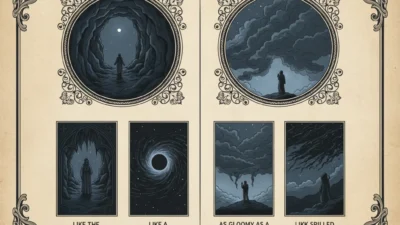
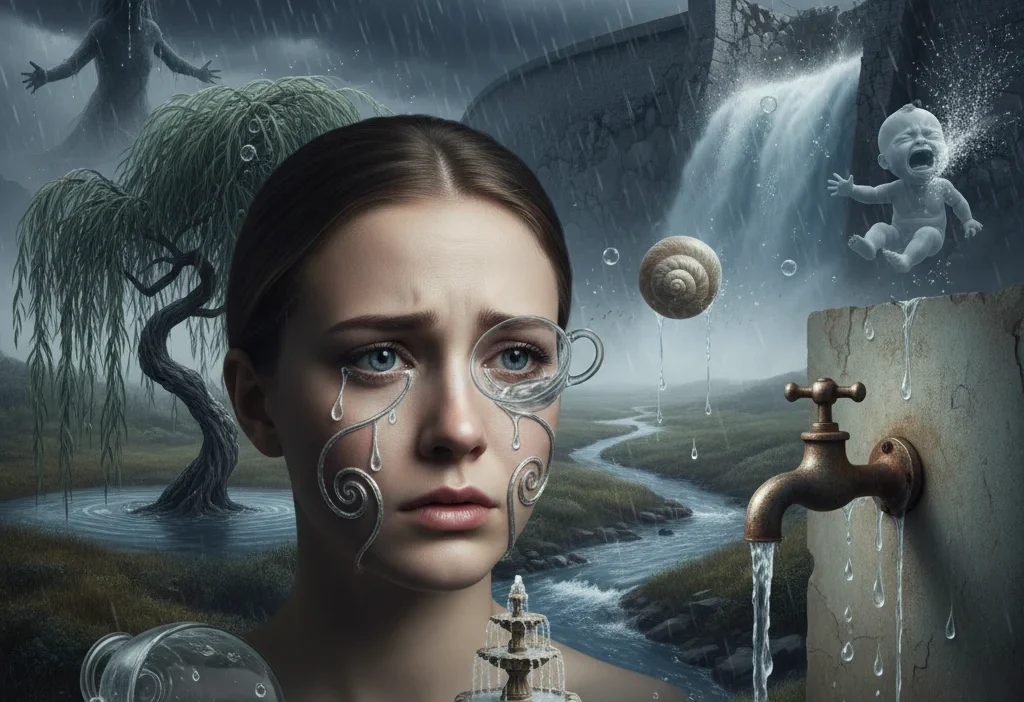
Similes for crying are comparisons used to vividly describe tears, sadness, or intense emotions. Instead of simply saying “he cried,” these similes create relatable and memorable imagery that helps readers feel the moment.
Ever felt tears streaming uncontrollably, like your heart couldn’t hold them in? Similes for crying capture these emotions by comparing them to nature or everyday experiences—like “cried like a river overflowing its banks” or “tears fell like raindrops in a storm”.
In this guide, you’ll discover the best similes for crying with meanings and examples. These comparisons make writing in stories, poems, or essays more expressive, vivid, and emotionally engaging. ✨
Cried like rain on a lonely night
Meaning: Expresses deep sadness or loneliness.
Quote: “She cried like rain on a lonely night, steady and endless.”
Examples:
- His tears fell like rain on a dark evening.
- The sky and her heart wept together.
- Every drop mirrored her aching soul.
As silent as tears on a cheek
Meaning: Describes quiet, repressed crying.
Quote: “He was as silent as tears slipping down in the dark.”
Examples:
- She sat still, as silent as her tears.
- Not a sound, only the shimmer of sorrow.
- His silence spoke louder than words.
Cried like a broken child
Meaning: Suggests raw, uncontrollable emotion.
Quote: “He cried like a broken child lost in the dark.”
Examples:
- Her sobs tore through the air.
- Pain poured out without restraint.
- The grief was too big for silence.
As loud as thunder in the heart
Meaning: Represents powerful, overwhelming crying.
Quote: “Her sobs roared, as loud as thunder in the heart.”
Examples:
- The house echoed with her cries.
- His emotions thundered without control.
- Even the walls seemed to tremble.
Cried like a river in flood
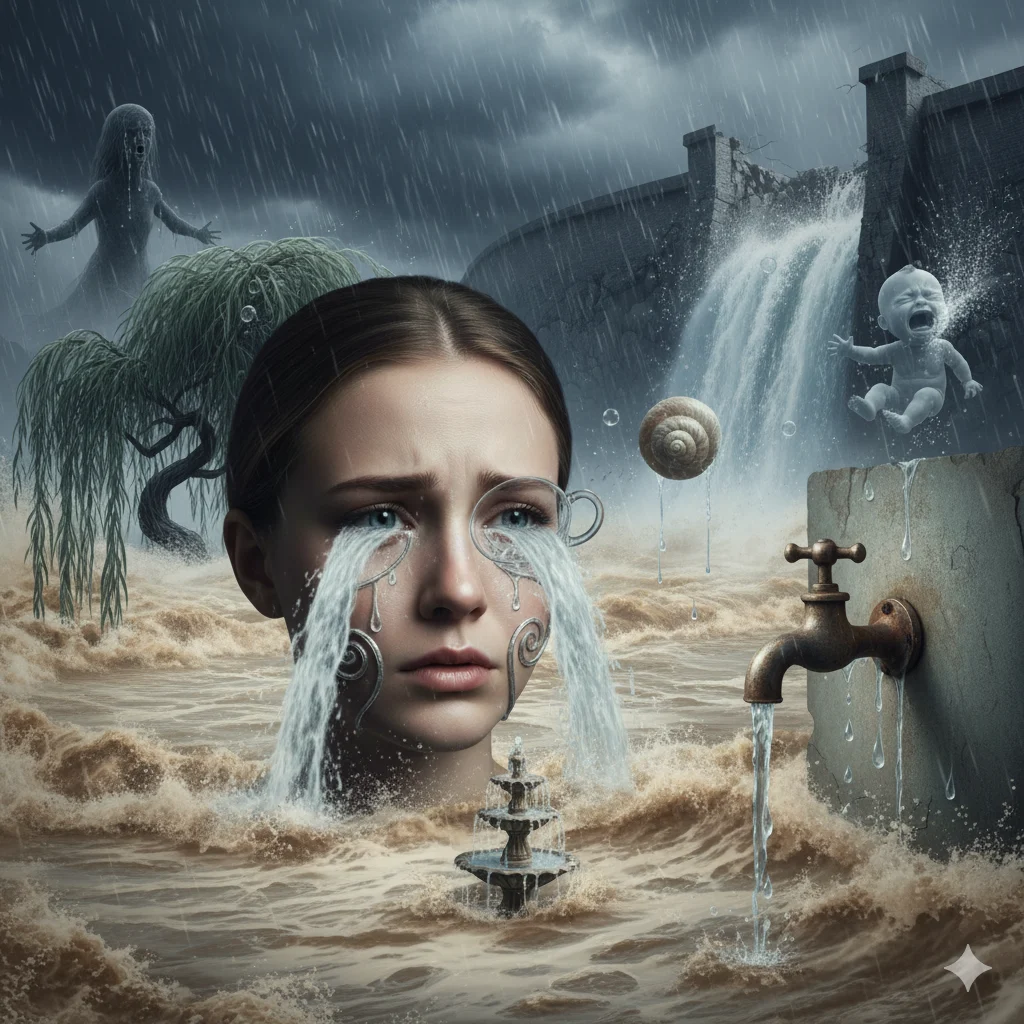
Meaning: Indicates intense, unstoppable tears.
Quote: “Tears flowed like a river in flood, carrying her pain away.”
Examples:
- His eyes poured without end.
- The room felt drenched in sorrow.
- She couldn’t stop the tide.
As fragile as a teardrop on glass
Meaning: Symbolizes emotional vulnerability.
Quote: “Her voice was as fragile as a teardrop on glass.”
Examples:
- Every word trembled with sadness.
- His courage shattered easily.
- She broke under the weight of emotion.
Cried like the sky after a storm
Meaning: Reflects cleansing and relief through tears.
Quote: “He cried like the sky after a storm—soft but free.”
Examples:
- Her tears washed away her pain.
- The air felt lighter after crying.
- It was a release, not a breakdown.
As hopeless as a wilted flower
Meaning: Suggests emotional exhaustion and despair.
Quote: “She wept, as hopeless as a wilted flower in the sun.”
Examples:
- Her spirit drooped visibly.
- Tears marked her fading strength.
- Sadness drained her like heat drains petals.
Cried like an actor at the final scene
Meaning: Indicates dramatic, expressive sorrow.
Quote: “He cried like an actor at the final curtain.”
Examples:
- Every sob was exaggerated yet sincere.
- She gave her heart to her grief.
- The pain was both real and performed.
As endless as ocean waves
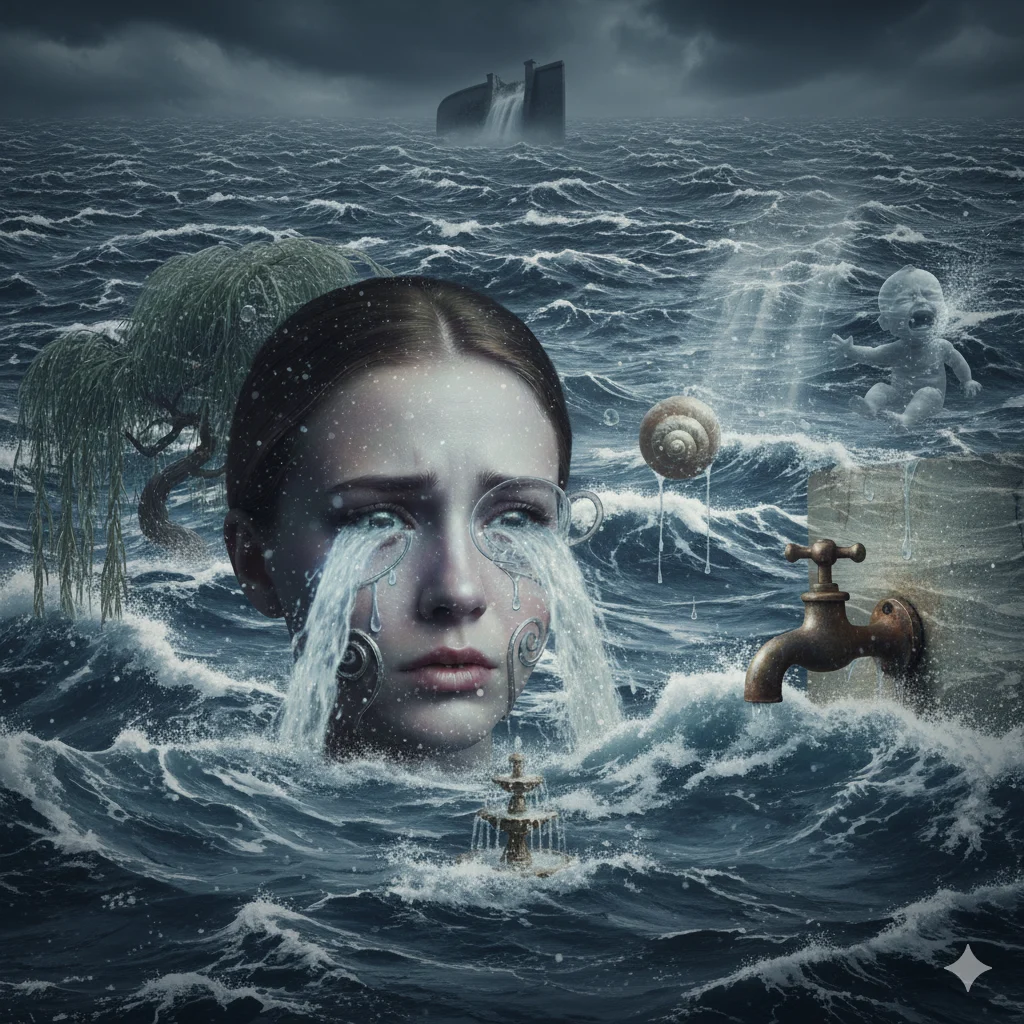
Meaning: Describes long, continuous crying.
Quote: “Her tears came as endless as the waves meeting the shore.”
Examples:
- Every sob crashed and returned.
- The sorrow had no pause.
- His heart kept aching.
Cried like a cloud releasing rain
Meaning: Represents natural emotional relief.
Quote: “He cried like a cloud finally giving in to gravity.”
Examples:
- It was necessary, like rain for the earth.
- She felt lighter afterward.
- The tears brought calm.
As bitter as winter rain
Meaning: Symbolizes cold, painful sadness.
Quote: “His tears were as bitter as winter rain on the skin.”
Examples:
- The sorrow chilled her heart.
- Her grief had no warmth.
- He felt frozen inside.
Cried like a lost soul
Meaning: Shows deep despair and confusion.
Quote: “She cried like a lost soul searching for peace.”
Examples:
- Her voice echoed emptily.
- Pain consumed her completely.
- It was a cry from the depths.
As clear as a glass teardrop
Meaning: Represents pure, honest emotion.
Quote: “His sadness was as clear as a glass teardrop in light.”
Examples:
- Nothing was hidden.
- Her honesty shone through her tears.
- Pain had a transparent beauty.
Cried like a song without words
Meaning: Suggests artistic, unspoken sorrow.
Quote: “She cried like a song without words — haunting and true.”
Examples:
- Her tears carried melody.
- Sorrow sang softly in her silence.
- Pain turned poetic.
As heavy as rain-soaked earth
Meaning: Shows burdensome emotional weight.
Quote: “Her crying felt as heavy as rain-soaked soil.”
Examples:
- Every tear felt thick with meaning.
- He could hardly breathe.
- Sadness pressed down hard.
Cried like a shattered heart
Meaning: Depicts extreme heartbreak.
Quote: “He cried like a shattered heart bleeding emotion.”
Examples:
- Each sob felt sharp.
- Her pain was visible.
- Love had left a wound.
As quiet as falling snow
Meaning: Shows peaceful or resigned sadness.
Quote: “Her tears fell as quiet as snow settling on earth.”
Examples:
- No sound, just sorrow.
- The calm hurt most.
- Crying without chaos.
Cried like a candle melting
Meaning: Symbolizes slow emotional decline.
Quote: “He cried like a candle melting — silently fading.”
Examples:
- Every tear was time passing.
- She lost herself slowly.
- Emotion drained like wax.
As raw as an open wound
Meaning: Conveys deep emotional pain.
Quote: “Her crying was as raw as an open wound exposed to air.”
Examples:
- Her grief was unfiltered.
- It hurt to breathe.
- His sorrow was bleeding honesty.
Cried like a mourning dove
Meaning: Reflects soft, soulful sorrow.
Quote: “She cried like a mourning dove calling to the wind.”
Examples:
- Her voice trembled softly.
- Sadness had a rhythm.
- The air felt tender.
As broken as a forgotten song
Meaning: Suggests nostalgic sadness.
Quote: “He cried as broken as a forgotten song remembered too late.”
Examples:
- Memories stirred pain.
- Love lingered in silence.
- Tears met melody again.
Cried like ink spilling on paper
Meaning: Represents emotions pouring freely.
Quote: “Her tears ran like ink, writing sorrow across her face.”
Examples:
- Every tear told a story.
- Her sadness left marks.
- Emotion flowed endlessly.
As fleeting as morning dew
Meaning: Indicates brief, delicate crying.
Quote: “His tears were as fleeting as morning dew before the sun.”
Examples:
- Sorrow came and went.
- The sadness felt light.
- A soft, temporary ache.
Cried like a wounded bird
Meaning: Expresses helpless, fragile pain.
Quote: “She cried like a wounded bird — trembling and small.”
Examples:
- Every sob fluttered weakly.
- Her heart couldn’t fly.
- He hurt in silence.
As endless as the stars
Meaning: Suggests timeless grief or emotion.
Quote: “Her sorrow felt as endless as stars that never fade.”
Examples:
- The pain felt infinite.
- He couldn’t escape it.
- Tears became eternal.
Cried like a poem bleeding ink
Meaning: Portrays artistic expression of sadness.
Quote: “He cried like a poem bleeding ink — beautiful yet broken.”
Examples:
- Every tear felt poetic.
- Grief became art.
- Her sorrow found rhythm.
As restless as the wind
Meaning: Describes emotional unease.
Quote: “Her crying was as restless as wind chasing leaves.”
Examples:
- She couldn’t stop moving.
- Tears came in bursts.
- Sorrow refused stillness.
Cried like the moon losing light
Meaning: Suggests fading hope or love.
Quote: “He cried like the moon losing its silver glow.”
Examples:
- His heart dimmed quietly.
- Love faded into memory.
- Tears glimmered under loss.
As cold as forgotten dreams
Meaning: Symbolizes emotional numbness.
Quote: “Her tears were as cold as forgotten dreams in the dark.”
Examples:
- She cried without warmth.
- Hope was distant.
- Pain turned icy.
Cried like glass shattering
Meaning: Depicts sudden, intense crying.
Quote: “He cried like glass shattering — sharp and uncontrollable.”
Examples:
- It broke him completely.
- The sound of grief filled the air.
- Tears cut deep.
As deep as the sea
Meaning: Shows immense, overwhelming emotion.
Quote: “Her sadness was as deep as the sea — endless and mysterious.”
Examples:
- Pain drowned her thoughts.
- The sorrow had no bottom.
- Love was lost beneath waves.
Cried like an autumn sky
Meaning: Reflects nostalgic, gentle sadness.
Quote: “He cried like an autumn sky — grey but soft.”
Examples:
- The emotion was calm.
- It felt bittersweet.
- Tears blended with memory.
As tender as a fading dream
Meaning: Symbolizes quiet sadness after hope fades.
Quote: “Her tears were as tender as a fading dream.”
Examples:
- She wept softly.
- It was sorrow with grace.
- Pain met peace.
Cried like the world had stopped
Meaning: Depicts overwhelming grief or loss.
Quote: “He cried like the world had stopped spinning.”
Examples:
- Everything froze in that moment.
- The silence was heavy.
- Pain filled every breath.
🌙 Conclusion
Through these similes for crying, we’ve explored the language of tears — from gentle grief to stormy heartbreak. Each comparison helps readers see and feel emotion more deeply, turning writing into experience.
Next time your story or poem needs depth, let one of these similes express what words alone cannot. 💧
✨ Because sometimes, a tear says what silence never could.
Explore more similes about life, nature, and emotions on our site to enrich your creative writing.
💬 FAQs
1. What are the best similes for crying?
The best similes evoke emotion — like “cried like rain on a lonely night” or “as quiet as falling snow.” Choose one that fits your scene’s tone.
2. How do you write a simile?
Use “like” or “as” to compare emotions or actions creatively — e.g., “Her tears sparkled like morning dew.”
3. What’s the difference between a simile and a metaphor?
A simile uses “like” or “as” (e.g., “as soft as silk”), while a metaphor states something is another thing (e.g., “Her voice was silk.”).
4. How can similes improve creative writing?
Similes make writing vivid, emotional, and memorable — turning plain descriptions into powerful imagery.
5. Can I use similes in essays or songs?
Absolutely. Similes work beautifully in essays, poems, songs, and storytelling to create emotional connection.

Daisy Johnson is a creative writer who crafts vivid similes and poetic expressions to help readers enrich their language and imagination.