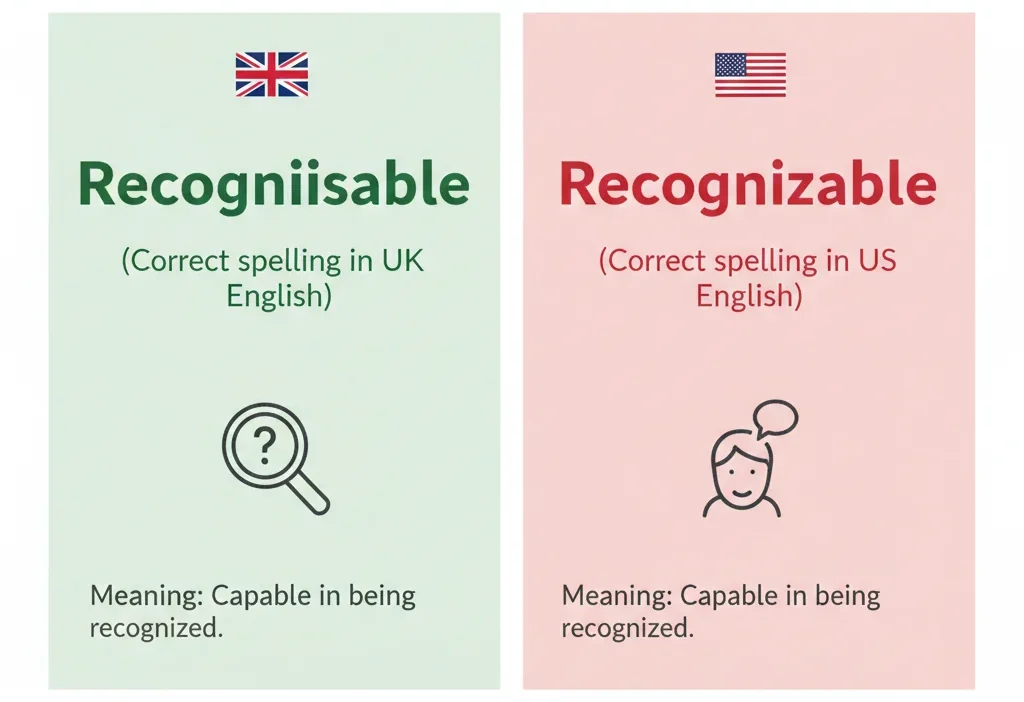
Confused between “recognisable” and “recognizable”? These words are essentially the same in meaning, but their spelling depends on regional English. Using the wrong form for your audience can make your writing seem inconsistent.
- “Recognisable” is the British English spelling. Example: “The logo is easily recognisable in the crowd.”
- “Recognizable” is the American English spelling. Example: “Her face is immediately recognizable to fans.”
This guide explains the difference between recognisable and recognizable, provides examples in sentences, and tips to remember which version to use. By understanding this, you can write clearly, appropriately for your audience, and professionally.
Recognisable or Recognizable –
Recognisable and recognizable mean the same thing. Both describe something that is easy to identify or remember.
The only difference is spelling. Recognisable is British English. Recognizable is American English.
Examples:
- Her voice is instantly recognisable in the UK.
- His logo is easily recognizable in the US.
Recognisable recognizable meaning: easy to know, see, or identify.
The Origin of Recognisable or Recognizable
The word comes from the Latin recognoscere, meaning “to know again.” It entered English through French as recognisable. Early English spelling followed French patterns, which explains the -ise and -isable endings.
When American English developed, spelling reforms aimed to simplify words. Noah Webster promoted shorter forms, replacing -ise with -ize. This is why recognizable became standard in the US, while recognisable stayed common in Britain.
The spelling difference exists because English evolved differently across regions, not because one form is wrong.
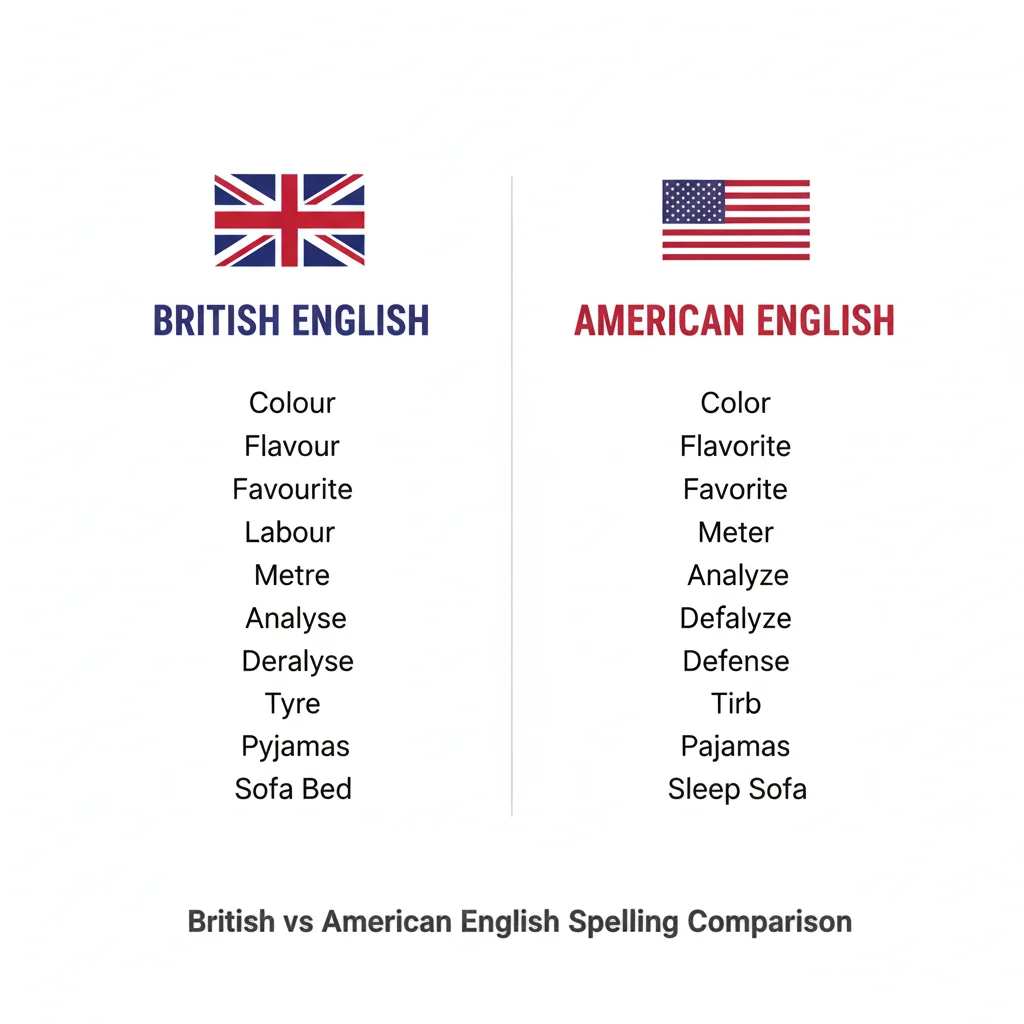
British English vs American English Spelling
British English usually keeps -ise and -isable endings. American English prefers -ize and -izable.
| Feature | British English | American English |
|---|---|---|
| Standard spelling | recognisable | recognizable |
| Dictionary style | Oxford, Cambridge | Merriam-Webster |
| Usage region | UK, Australia, India | USA, Canada |
| Pronunciation | Same | Same |
How to pronounce recognisable recognizable:
Both are pronounced rek-uhg-NYE-zuh-buhl.
🇬🇧 Recognisable UK Spelling – Quick Guide
✅ Correct UK Spelling: recognisable (with S)
📝 UK vs US:
- UK: recognisable (uses -ise)
- US: recognizable (uses -ize)
🌍 Where to Use UK Spelling:
- United Kingdom
- Australia
- India
- New Zealand
- South Africa
- Commonwealth countries
📚 UK Dictionary Preference:
- Oxford ✓
- Cambridge ✓
- Collins ✓
✍️ Example:
“Her British accent was instantly recognisable.”
🧠 Memory Trick:
“London uSes S” — UK English prefers S in recognisable
⚠️ Remember:
- Use recognisable for UK audience
- Be consistent throughout your writing
Which Spelling Should You Use?
Choose your spelling based on your audience.
- US audience: Use recognizable
- UK audience: Use recognisable
- Global audience: Pick one and stay consistent
- Academic writing: Follow your style guide
- SEO content: Match search intent by region
Consistency matters more than the spelling itself. Mixing both looks unprofessional.
Common Mistakes with Recognisable or Recognizable
Many writers make small but common errors.
❌ Mixing both spellings in one article
❌ Using spellcheck without setting region
❌ Assuming one spelling is “more correct”
❌ Misspelling as recogniseable
🔄 Opposite of Recognizable – Quick Guide
❌ What is the Opposite?
The opposite of recognizable (easy to identify) is:
| Spelling | Opposite |
|---|---|
| US English | unrecognizable |
| UK English | unrecognisable |
📝 Examples:
- US: “After the accident, his face was unrecognizable.”
- UK: “She wore a disguise to remain unrecognisable.”
🧠 Simple Rule:
Just add “un-“ at the beginning:
- recognizable → unrecognizable
- recognisable → unrecognisable
✍️ More Examples:
- The old building became unrecognizable after renovation.
- His voice was almost unrecognisable due to a cold.
- The actress made herself unrecognizable with makeup.
💡 Remember:
Same rule applies — use Z for US, S for UK:
| Region | Positive | Opposite |
|---|---|---|
| USA | recognizable | unrecognizable |
| UK | recognisable | unrecognisable |
Correct form: recognisable / recognizable
Recognisable opposite: unrecognisable / unrecognizable
✅ Recognisable Synonym – Words You Can Use Instead
Need a different word for recognisable/recognizable? Here are the best synonyms for both UK and US English:
| Synonym | Meaning | Example Sentence |
|---|---|---|
| Identifiable | Can be recognized | “The suspect was easily identifiable by his tattoo.” |
| Noticeable | Easy to see or notice | “There was a noticeable change in her attitude.” |
| Distinct | Clearly different and noticeable | “He has a distinct accent.” |
| Familiar | Well-known from before | “Her face looked familiar.” |
| Unmistakable | Impossible to confuse with anything else | “The singer’s voice is unmistakable.” |
| Memorable | Easy to remember | “The movie had memorable characters.” |
| Distinctive | Having a quality that makes something easy to recognize | “She wore a distinctive red hat.” |
| Perceptible | Can be noticed or felt | “There was a perceptible tension in the room.” |
| Detectable | Can be discovered or identified | “A detectable change in temperature occurred.” |
| Known | Recognized, familiar | “He’s a known figure in the industry.” |
Quick Tip: In UK English, use recognisable with these synonyms. In US English, use recognizable. The synonyms themselves stay the same in both regions!
✍️ How to Spell Recognizable Correctly
Many people get confused about the correct spelling of “recognizable.” Here’s a simple guide to help you spell it right every time:
🔤 Correct Spelling:
American English: recognizable
British English: recognisable
🧠 Memory Tricks to Spell It Right:
For American spelling (recognizable):
- Think: “I recognize the -ize ending”
- Remember: “Z is for America, S is for Britain”
- Break it down: re-cog-niz-able (notice the “niz” part)
For British spelling (recognisable):
- Think: “I recognise the -ise ending”
- Break it down: re-cog-nis-able (notice the “nis” part)
❌ Common Misspellings to Avoid:
| Incorrect | Correct (US) | Correct (UK) |
|---|---|---|
| recogniseable | recognizable | recognisable |
| recognizible | recognizable | recognisable |
| recogizable | recognizable | recognisable |
| recognisable (in US) | recognizable | — |
| recognizable (in UK) | — | recognisable |
📝 Spelling Rules to Remember:
- Base word: recognize / recognise
- Add -able: recognizable / recognisable
- No extra ‘e’: It’s not “recogniseable” or “recognizeable”
🌍 Regional Spelling at a Glance:
| Region | Correct Spelling |
|---|---|
| United States | recognizable |
| Canada | recognizable |
| United Kingdom | recognisable |
| Australia | recognisable |
| India | recognisable |
| New Zealand | recognisable |
✅ Quick Tip:
Set your spell checker to the correct region:
- US English → shows “recognizable” as correct
- UK English → shows “recognisable” as correct
Both are right — just depends on where you are!
Recognisable or Recognizable in Everyday Examples

Here are recognisable recognizable examples used in real life:
Emails:
- Your email signature is very recognisable.
News:
- The brand has a recognizable logo worldwide.
Social Media:
- Her style is instantly recognisable.
Formal Writing:
- The pattern is clearly recognizable to experts.
Recognisable recognizable in a sentence:
- His accent is easily recognisable wherever he goes.
Recognisable or Recognizable – Google Trends & Usage Data
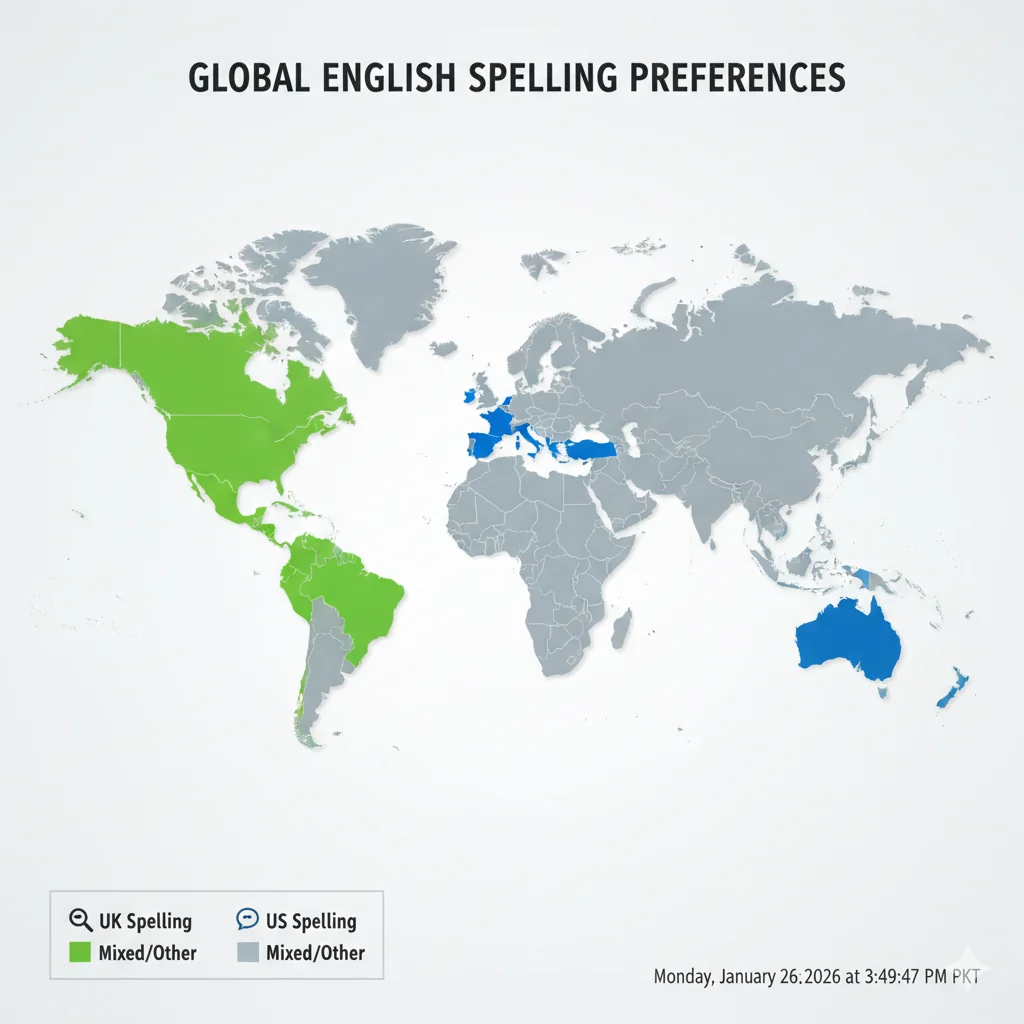
Search data shows that recognizable is more popular in the United States, while recognisable dominates searches in the UK, Australia, and South Asia. Globally, both spellings receive steady interest.
- recognisable recognizable meaning
- recognisable recognizable synonym
- how to pronounce recognisable recognizable
This proves that users want clarity, not just definitions.
Comparison Table
| Variation | Usage |
|---|---|
| recognisable | British spelling |
| recognizable | American spelling |
| recognisable meaning | Easy to identify |
| recognisable synonym | identifiable |
| recognisable opposite | unrecognisable |
FAQs
1. Are recognisable and recognizable the same?
Yes, they have the same meaning.
2. Which spelling is correct?
Both are correct. Region decides.
3. Is recognisable used in American English?
Rarely. Americans prefer recognizable.
4. What is a recognisable synonym?
Identifiable, noticeable, familiar.
5. What is the recognisable opposite?
Unrecognisable or unrecognizable.
6. How do I pronounce recognisable recognizable?
They sound exactly the same.
7. Which spelling is better for SEO?
Use the version your audience searches for.
Conclusion
Understanding the difference between recognisable and recognizable makes your writing clearer and more professional. Both spellings share the same meaning and pronunciation, so the choice is never about correctness. It is about audience, region, and consistency. British English favors recognisable, while American English prefers recognizable. Global writers can use either form, as long as they stick to one.
By learning the recognisable recognizable meaning, common mistakes, examples, synonyms, and opposites, you now have full control over this word. You can write emails, articles, academic papers, and SEO content with confidence. Language should help communication, not block it. Once you understand why spelling differences exist, they stop being confusing and start making sense. Choose your spelling wisely, stay consistent, and let your message remain clear and recognisable—wherever your readers are.

Helen Oyeyemi is an acclaimed novelist known for her imaginative, lyrical storytelling and modern fairy-tale style that blends mystery with magic.