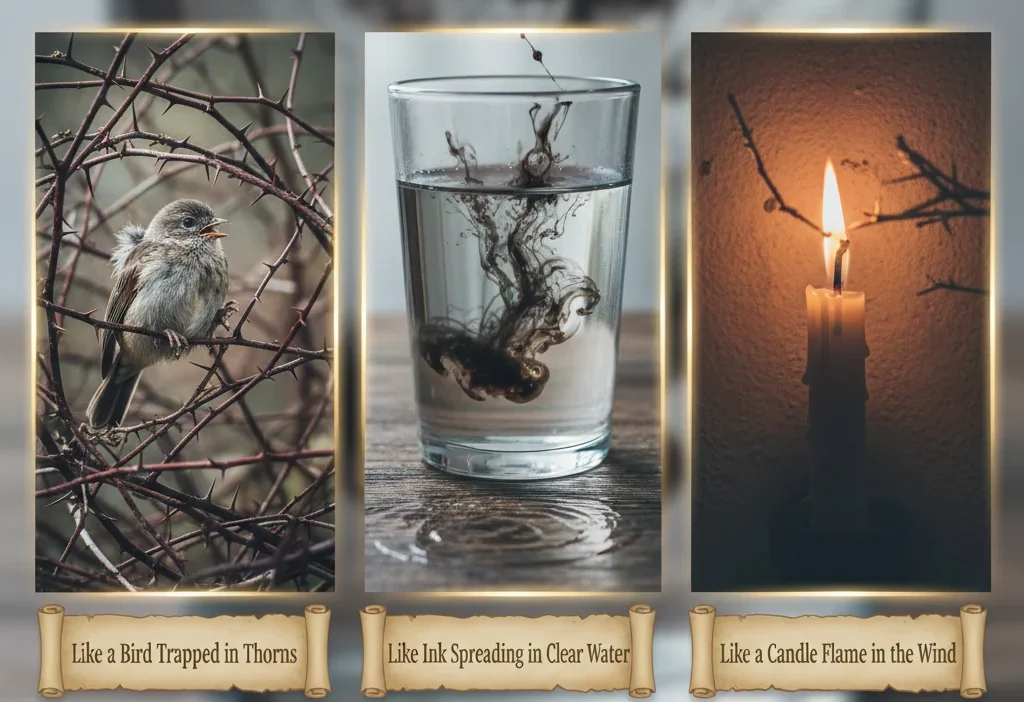
Similes for worry compare anxious feelings to familiar sights, sounds, or sensations—like storms, shadows, or heavy weights—to make emotions clearer and more vivid. Examples include “worry clings like a shadow,” “as restless as a ticking clock,” and “worry weighs like a stone on the chest.” Below, you’ll find 35 carefully explained similes, each with meanings and real-life examples to help you use them confidently in writing and everyday expression.
Similes are a powerful form of figurative language that compare two unlike things using words like “as” or “like.” They help transform abstract emotions into clear, relatable images. When it comes to worry—a feeling everyone experiences—similes allow writers to express anxiety in ways readers can instantly feel and understand.
Whether you’re a student, poet, blogger, or creative writer, using similes for worry can make your writing more emotional, expressive, and memorable. These comparisons reflect the weight, restlessness, and persistence of anxious thoughts in a human way.
In this article, you’ll explore 35 unique similes for worry, each with a clear meaning, a short quote, and three natural usage examples. You’ll also learn how these similes can enrich creative writing, storytelling, and everyday communication.
1. As heavy as a stone on the chest
Meaning: Represents deep, suffocating anxiety that feels physically overwhelming.
Quote: “The worry sat on her chest like a stone she couldn’t lift.”
Examples:
- His worry felt as heavy as a stone on the chest.
- The news landed with a stone-heavy worry.
- Anxiety pressed down like an unseen weight.
2. Like a storm cloud that won’t move
Meaning: Suggests lingering worry that overshadows happiness.
Quote: “Worry hovered like a storm cloud above his thoughts.”
Examples:
- Her mind darkened like a storm cloud.
- Worry followed him all day.
- Anxiety blocked out joy like rain-filled skies.
3. As restless as a ticking clock
Meaning: Reflects constant, nagging worry that never stops.
Quote: “Her thoughts ticked with worry like a clock at night.”
Examples:
- Worry ticked in his mind endlessly.
- Anxiety kept time with his heartbeat.
- His thoughts raced without pause.
4. Like a shadow that follows
Meaning: Shows worry as something inescapable and persistent.
Quote: “No matter where she went, worry followed like a shadow.”
Examples:
- Anxiety trailed him all day.
- Worry clung close.
- Fear followed every step.
5. As tangled as knotted thread
Meaning: Represents confused, overlapping worries.
Quote: “Her thoughts were tangled like knotted thread.”
Examples:
- Worry twisted her mind.
- Anxiety formed mental knots.
- His fears overlapped endlessly.
6. Like a buzzing mosquito
Meaning: Describes small but irritating worry that won’t go away.
Quote: “The worry buzzed in his head like a mosquito.”
Examples:
- Anxiety hummed constantly.
- Worry distracted him.
- Fear lingered annoyingly.
7. As tight as a clenched fist
Meaning: Symbolizes tension caused by worry.
Quote: “His chest felt tight, clenched by worry.”
Examples:
- Anxiety tightened her breath.
- Worry closed around him.
- Stress locked his body.
8. Like waves crashing endlessly
Meaning: Suggests repeated cycles of worry.
Quote: “Worry crashed over her like endless waves.”
Examples:
- Anxiety rose again and again.
- Fear returned relentlessly.
- Thoughts surged without rest.
9. As sharp as a thorn
Meaning: Represents sudden, piercing worry.
Quote: “A thorn-sharp worry struck his heart.”
Examples:
- Anxiety stabbed unexpectedly.
- Fear pricked his peace.
- Worry hurt deeply.
10. Like a leaking faucet
Meaning: Shows slow, constant worry draining energy.
Quote: “Worry dripped into his mind like a leaking faucet.”
Examples:
- Anxiety wore him down.
- Fear drained patience.
- Thoughts trickled endlessly.
34+Similes for Face: The Secret Behind Powerful Descriptions
11. As heavy as wet clothes
Meaning: Describes exhausting emotional burden.
Quote: “Worry clung like wet clothes after rain.”
Examples:
- Anxiety slowed her steps.
- Fear soaked her spirit.
- Worry dragged her down.
12. Like fog over the mind
Meaning: Shows worry clouding clarity.
Quote: “Worry settled like fog across his thoughts.”
Examples:
- Anxiety blurred judgment.
- Fear blocked clarity.
- Thoughts felt unclear.
13. As loud as thunder
Meaning: Represents overwhelming anxious thoughts.
Quote: “His worry thundered inside his head.”
Examples:
- Anxiety roared loudly.
- Fear echoed inside.
- Thoughts became deafening.
14. Like a knot in the stomach
Meaning: Describes physical discomfort caused by worry.
Quote: “Worry twisted her stomach into knots.”
Examples:
- Anxiety upset her gut.
- Fear tightened inside.
- Stress made her uneasy.
15. As endless as the night
Meaning: Suggests worry that feels never-ending.
Quote: “His worry stretched like the endless night.”
Examples:
- Anxiety felt eternal.
- Fear lingered long.
- Stress refused to fade.
16. Like a cracked mirror
Meaning: Shows worry distorting perception.
Quote: “Worry warped reality like a cracked mirror.”
Examples:
- Anxiety twisted views.
- Fear changed perspective.
- Thoughts fractured truth.
17. As cold as winter air
Meaning: Represents emotional numbness from worry.
Quote: “Worry chilled her heart like winter air.”
Examples:
- Anxiety froze emotions.
- Fear numbed joy.
- Stress felt icy.
18. Like ants crawling in the mind
Meaning: Suggests many small worries.
Quote: “Worries crawled through his mind like ants.”
Examples:
- Anxiety multiplied quickly.
- Fear spread everywhere.
- Thoughts never rested.
19. As heavy as iron chains
Meaning: Shows worry as restrictive.
Quote: “Worry bound him like iron chains.”
Examples:
- Anxiety trapped his thoughts.
- Fear restricted freedom.
- Stress held him back.
20. Like smoke that stings
Meaning: Represents irritating worry.
Quote: “Worry stung his thoughts like smoke.”
Examples:
- Anxiety irritated focus.
- Fear lingered painfully.
- Thoughts burned slowly.
38+Similes for a Forest: The Secret Behind Vivid Nature Writing
21. As fragile as glass
Meaning: Shows emotional vulnerability from worry.
Quote: “She felt fragile as glass under worry.”
Examples:
- Anxiety made her sensitive.
- Fear weakened confidence.
- Stress cracked resilience.
22. Like a broken record
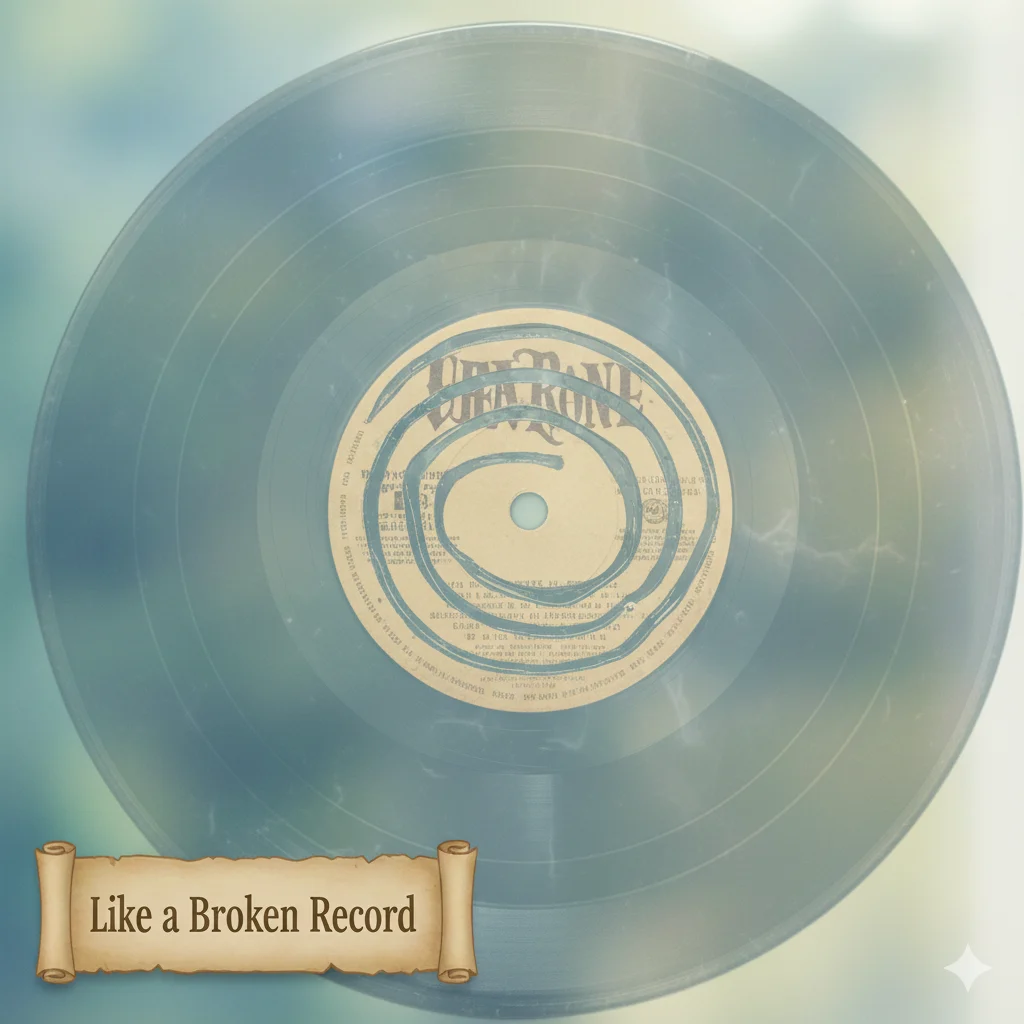
Meaning: Describes repetitive anxious thoughts.
Quote: “Worry replayed like a broken record.”
Examples:
- Anxiety repeated endlessly.
- Fear wouldn’t stop.
- Thoughts looped constantly.
23. As heavy as dark clouds
Meaning: Symbolizes looming anxiety.
Quote: “Dark-cloud worry hung over him.”
Examples:
- Anxiety overshadowed joy.
- Fear blocked light.
- Stress followed closely.
24. Like sand slipping through fingers
Meaning: Shows loss of control due to worry.
Quote: “Control slipped like sand under worry.”
Examples:
- Anxiety weakened grip.
- Fear erased certainty.
- Thoughts escaped control.
25. As sharp as broken glass
Meaning: Represents painful worry.
Quote: “Worry cut like broken glass.”
Examples:
- Anxiety hurt deeply.
- Fear wounded peace.
- Stress felt painful.
26. Like a cage with no key
Meaning: Shows feeling trapped by worry.
Quote: “Worry locked him in a cage.”
Examples:
- Anxiety confined him.
- Fear limited movement.
- Thoughts imprisoned hope.
27. As restless as the sea
Meaning: Describes constantly shifting worry.
Quote: “His worry churned like the sea.”
Examples:
- Anxiety never settled.
- Fear moved endlessly.
- Thoughts stayed unsettled.
28. Like a drum beating
Meaning: Represents rhythmic anxious thoughts.
Quote: “Worry beat like a drum.”
Examples:
- Anxiety pulsed steadily.
- Fear matched heartbeat.
- Stress repeated rhythmically.
29. As thin as patience
Meaning: Shows worry exhausting tolerance.
Quote: “Patience wore thin under worry.”
Examples:
- Anxiety shortened temper.
- Fear drained calm.
- Stress tested limits.
30. Like ice cracking
Meaning: Suggests breaking under pressure.
Quote: “Worry cracked his calm like ice.”
Examples:
- Anxiety broke resolve.
- Fear shattered peace.
- Stress weakened strength.
31. As heavy as a backpack of stones
Meaning: Represents accumulated worries.
Quote: “He carried worry like stones on his back.”
Examples:
- Anxiety piled up.
- Fear grew heavier.
- Stress accumulated daily.
32. Like echoes in a cave
Meaning: Shows worry repeating internally.
Quote: “Worry echoed endlessly in his mind.”
Examples:
- Anxiety bounced around.
- Fear repeated loudly.
- Thoughts reverberated.
33. As draining as quicksand
Meaning: Shows worry pulling energy away.
Quote: “Worry dragged him down like quicksand.”
Examples:
- Anxiety exhausted him.
- Fear consumed strength.
- Stress drained vitality.
34. Like fire under ash
Meaning: Represents hidden worry.
Quote: “Worry burned quietly under calm words.”
Examples:
- Anxiety stayed hidden.
- Fear smoldered inside.
- Stress waited silently.
35. As endless as unanswered questions
Meaning: Shows unresolved worry.
Quote: “His worry stretched like unanswered questions.”
Examples:
- Anxiety lingered unresolved.
- Fear waited for answers.
- Thoughts stayed incomplete.
Conclusion
Similes give worry a voice—turning silent tension into images we can see, feel, and understand. Through these 35 similes for worry, you’ve learned how figurative comparisons transform anxious emotions into vivid language that resonates deeply with readers.
Whether you’re crafting a poem, telling a story, or simply describing how you feel, these similes offer expressive tools to capture emotional truth. Worry may be heavy, restless, or persistent—but language helps us release it, shape it, and share it.
Let your words carry emotion gently and honestly. 🌸
Explore more similes about nature, life, and emotions on our site.
FAQ Section 💬
Q1: What are the best similes for worry?
Some of the best similes for worry include “like a storm cloud,” “as heavy as a stone,” and “like a shadow that follows.”
Q2: How do you write a simile?
A simile compares two unlike things using “like” or “as” to make descriptions vivid.
Q3: What’s the difference between a simile and a metaphor?
A simile uses “like” or “as,” while a metaphor states the comparison directly.
Q4: How can similes improve creative writing?
Similes add imagery, emotion, and clarity, helping readers connect deeply with the text.
Q5: Are similes useful in everyday language?
Yes, similes make conversations more expressive and relatable.

Jon McGregor is an award-winning British novelist known for his poetic prose, vivid imagery, and deeply human storytelling.